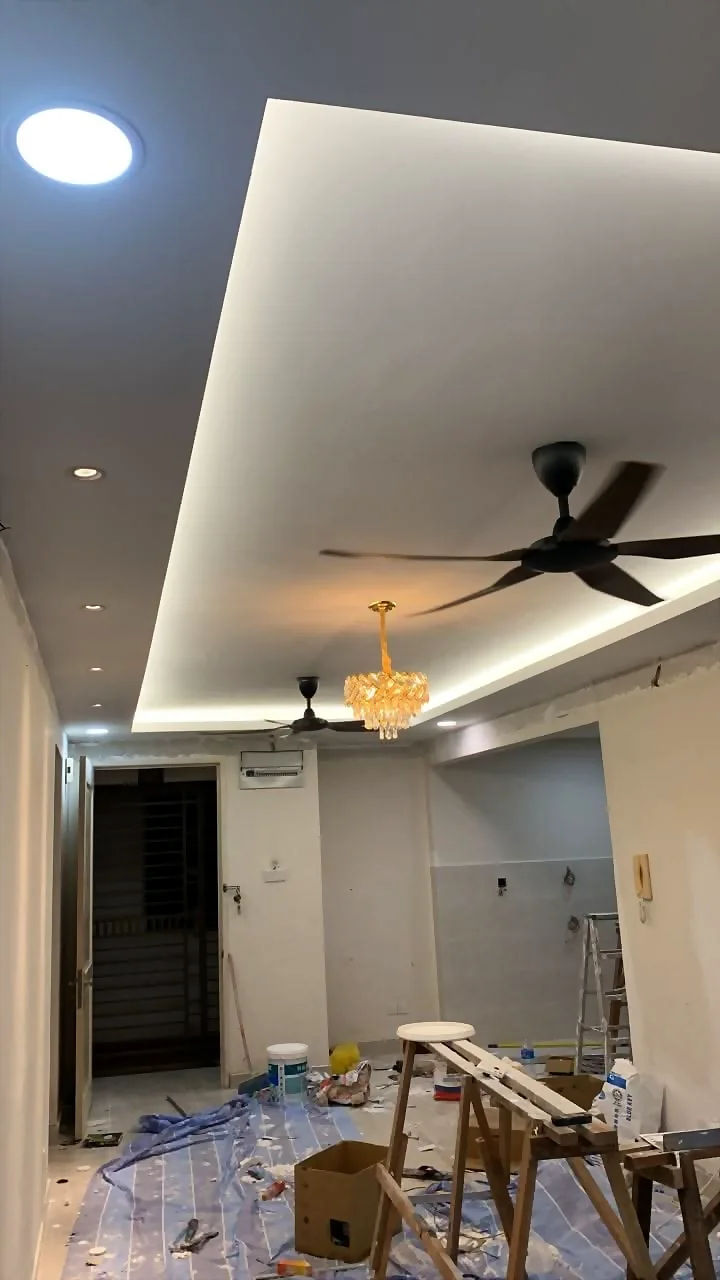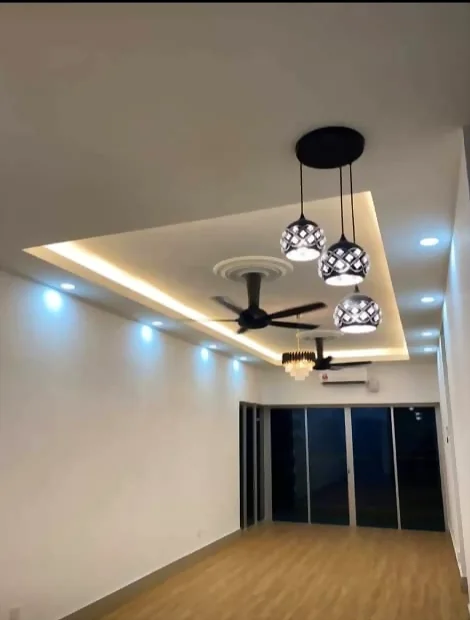
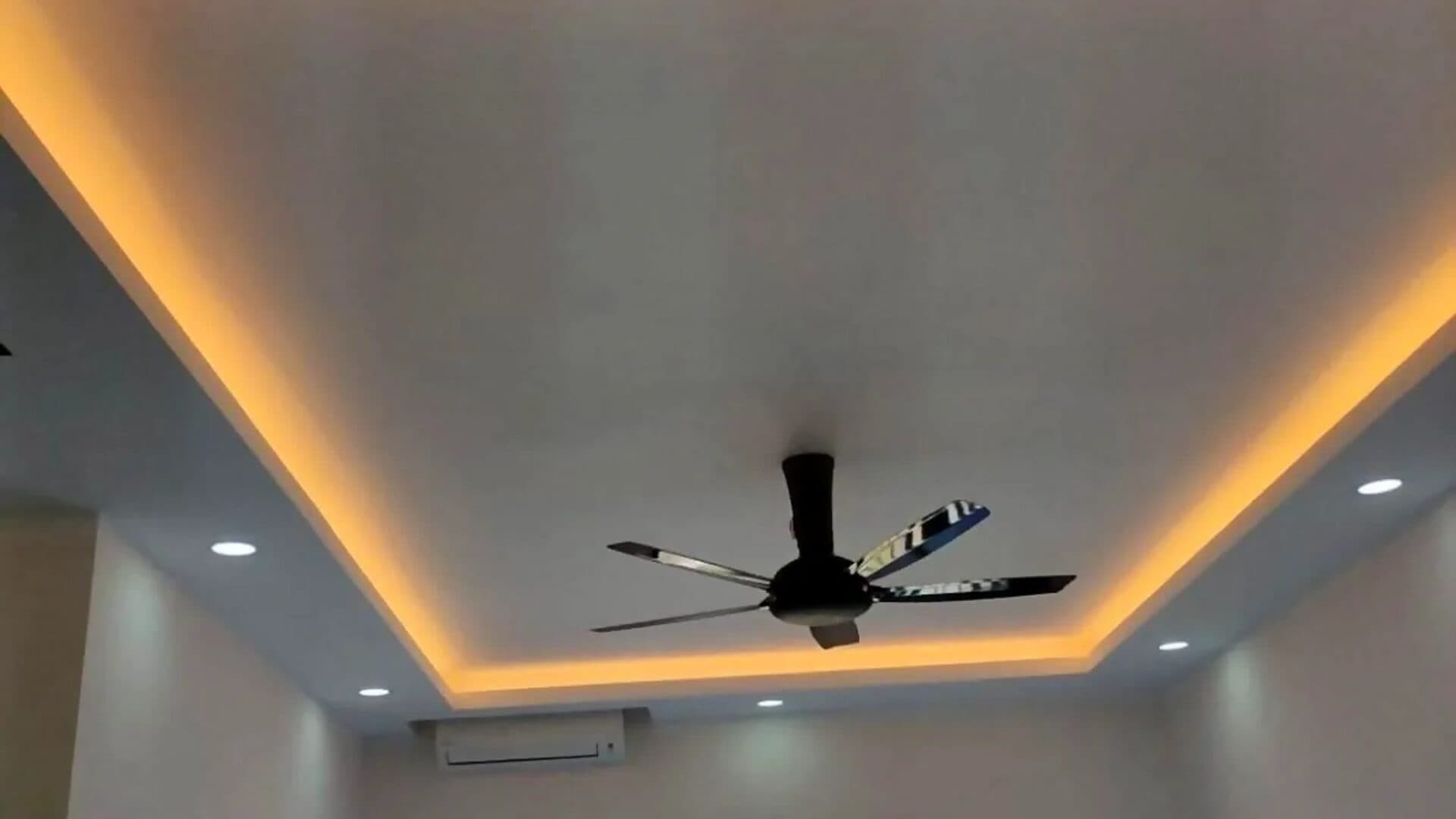
Assess the extent and cause
We check what is causing the sag — water, support, or age — and how much of the ceiling is affected.
Ceiling Problems
A sagging ceiling is a safety warning. Renovix finds why the ceiling is drooping and repairs or replaces it before it fails.
What This Problem Means
A clear, honest explanation of what is happening so you know what you are dealing with.
A sagging ceiling is one that droops, bows or dips visibly below its normal level. This is different from a small crack: it is a change in the shape of the ceiling, and it is usually a sign that the board or its support is failing. Sagging can affect a small patch or a whole section, and it should be taken seriously because a ceiling that sags can continue to drop until a section falls.
The most common causes of a sagging ceiling are water pooling on top of the board or behind it, a board that is unsupported over a span, or an old ceiling whose fixing has weakened. In a home with a roof leak, water can soak into the joists and board, increasing its weight and causing it to droop. A sagging ceiling should be assessed rather than left, especially if it is accompanied by a water stain or a bulge.
The short answer
A sagging ceiling is a safety warning. Renovix finds why the ceiling is drooping and repairs or replaces it before it fails.
We explain the cause and the fix, not just the symptom.
Common Causes
Understanding the cause helps you know why it happened and what the right fix is.
Water pooling on or behind the board, often from a leaking roof or pipe.
A board that was not properly supported over a long span.
Old or failing fixings that can no longer hold the ceiling.
A heavy ceiling, such as an old plaster ceiling, losing strength with age.
The board softening from moisture or prolonged humidity.
Weight from insulation, lighting or other loads pulling the board down.
Warning Signs
Spotting these signs early can often prevent a small problem from becoming a larger repair.
A visible bow, dip or sag in the ceiling.
A bulge or stain that grows over time.
A crack forming around the edge of the sagging area.
Powder or chunks of plaster falling, or the ceiling feeling spongy.
Possible Solutions
The practical approaches we take to resolve this problem — from a targeted repair to a fuller solution.
We check what is causing the sag — water, support, or age — and how much of the ceiling is affected.
Where a leak is the cause, we coordinate with waterproofing or plumbing to stop it before the ceiling is repaired.
A small sag may be fixed by reinforcing the board; a large or water-damaged sag usually needs the section replaced.
The replacement ceiling is installed, finished and painted to match the rest of the room.
When to Call a Professional
Some problems are worth handling early, and some should always be left to a professional. Here is when to get in touch.
A ceiling is visibly sagging or bowing.
There is a bulge or a water stain behind the sag.
A section of ceiling is drooping and powder is falling.
You are concerned the ceiling could give way.
Related Renovix Service
Sagging Ceiling is handled by our Ceiling & Partition team. The related services below are often part of the same job.
Sub-Services
These are the scopes we carry out for this problem. Each one has its own page explaining the work, what is included and what changes the cost.
Under Electrical
Under Ceiling & Partition
Under Ceiling & Partition
Under Ceiling & Partition
Our Work
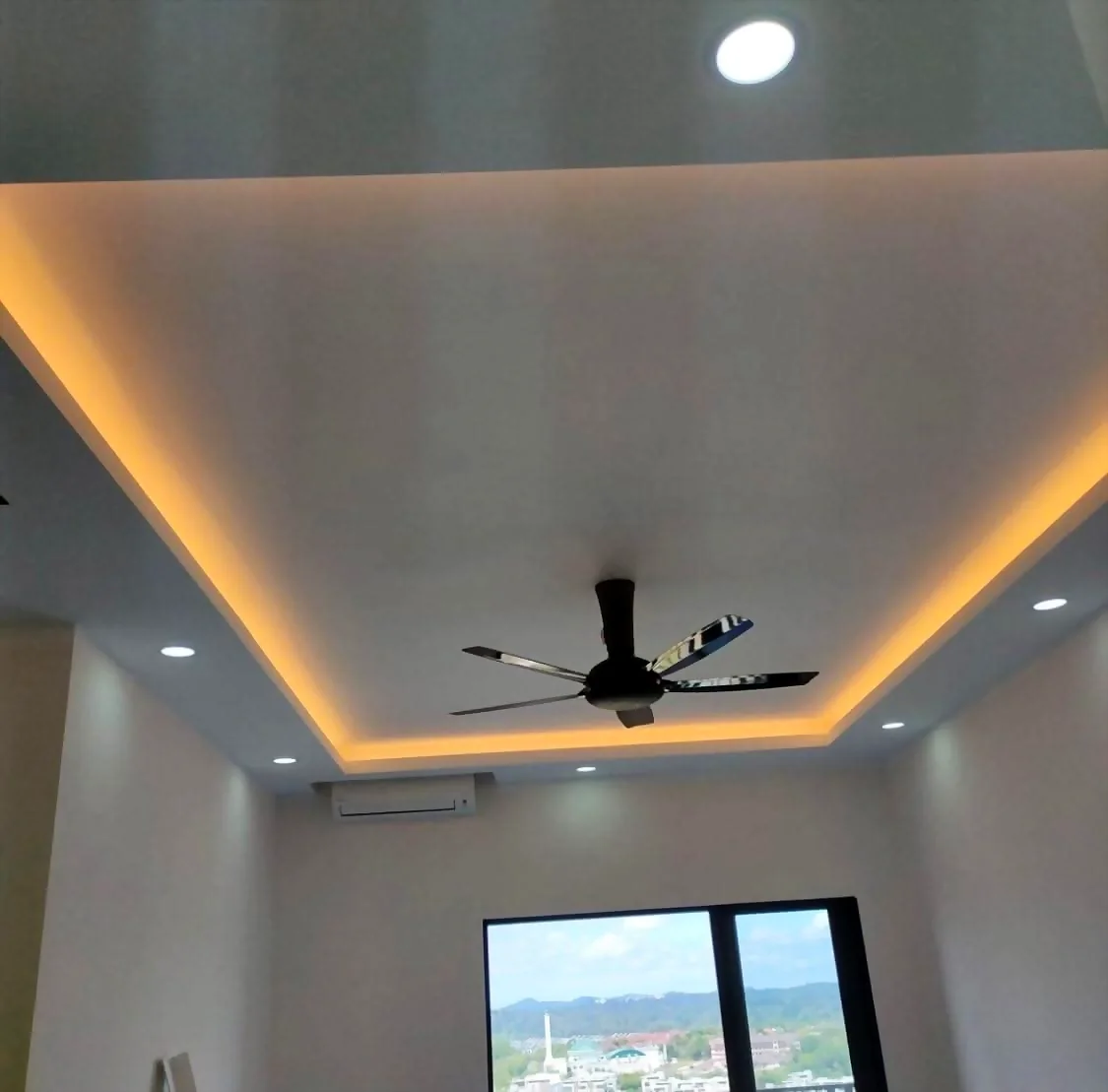
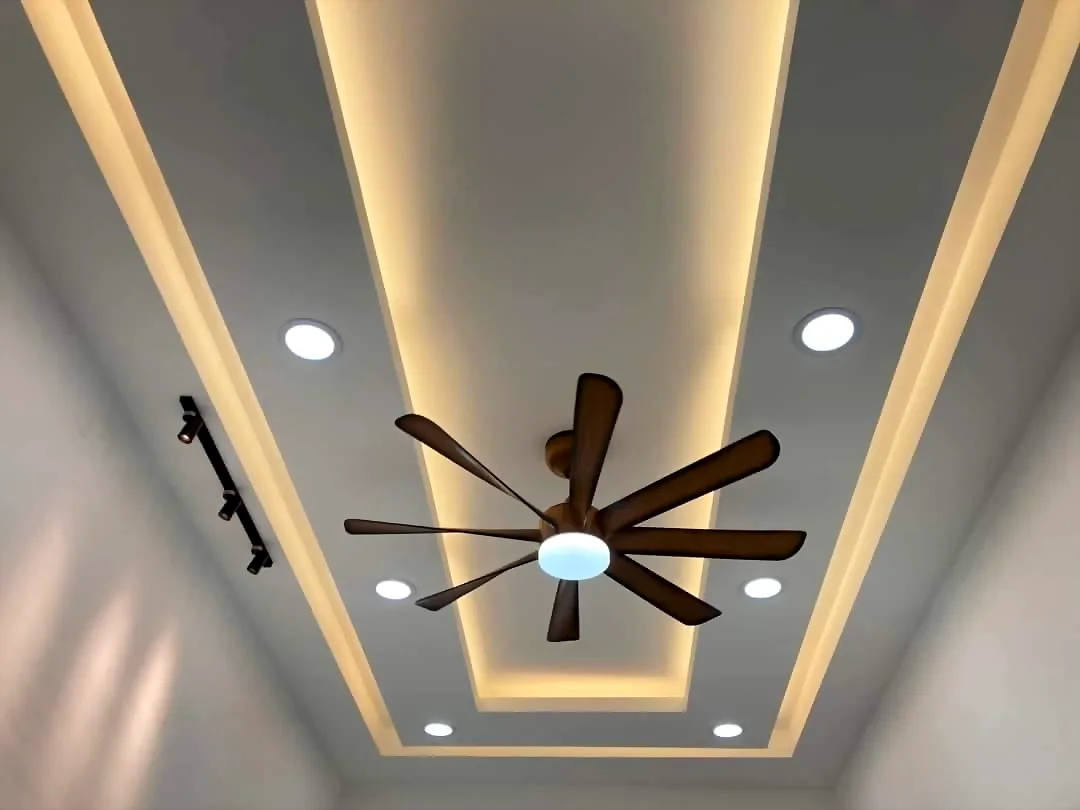
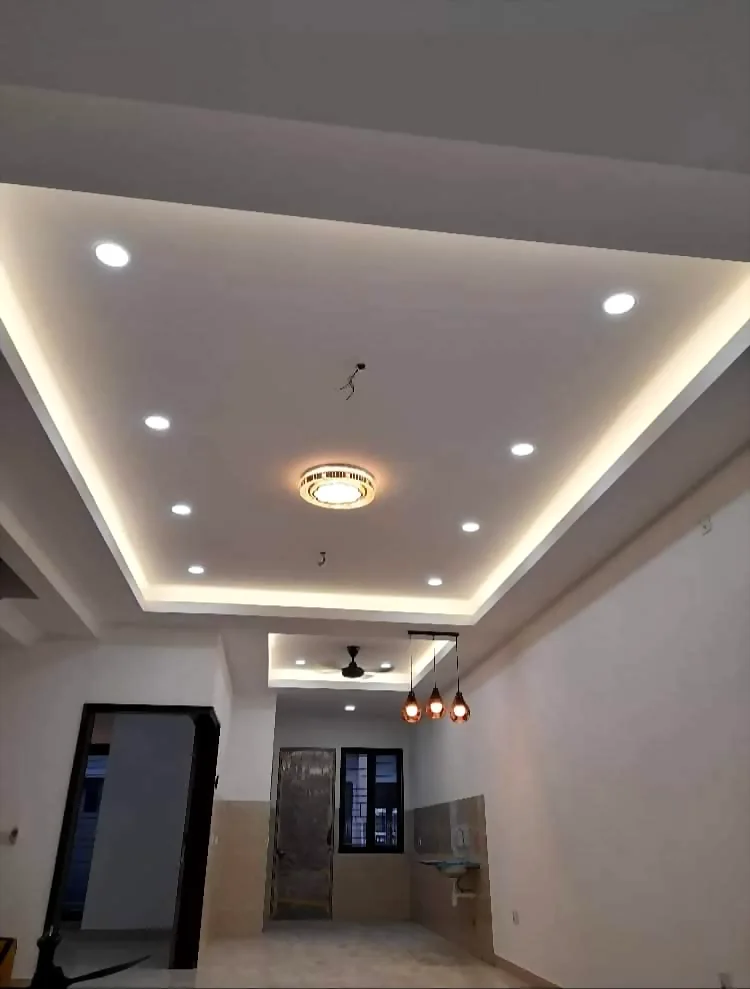
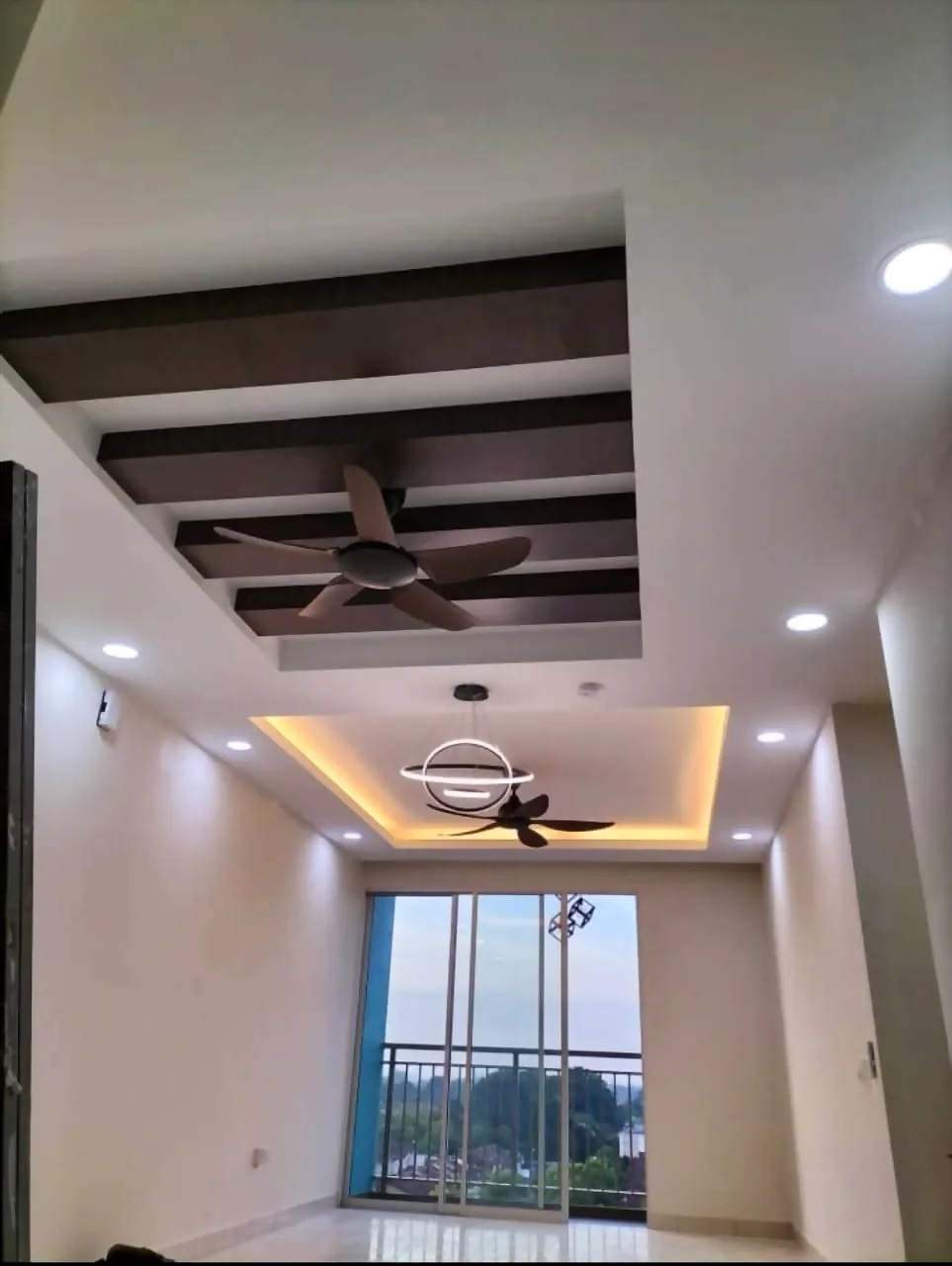
Real photographed jobs from our portfolio whose scope genuinely covers this kind of problem.
Our Process
A sagging ceiling needs the cause addressed and the board made sound. Here is the process.
We inspect the sag, its extent and likely cause, including any water or support problems.
We fix any water source or support issue before replacing the ceiling.
The sagging board is removed and replaced with new, properly supported board.
The new ceiling is finished and painted to blend with the room.
Property Types
Sagging ceilings are most common in older homes and areas with a history of roof leakage, across all property types.
Ceiling repair, replacement and water-damage work for landed homes.
Larger ceiling scopes and replacement of plaster ceilings in bigger homes.
Ceiling repairs within a unit, coordinated with management on shared authorities.
Ceiling fixes and water-damage repairs for apartment units.
Ceiling and partition work for offices and retail spaces.
Fixing ceiling defects and cracking before a new home is moved into.
Service Areas
Ceiling repair and installation are available across Kuala Lumpur, Selangor and the wider Klang Valley, from new false ceilings to water-damage repairs.
The federal capital — heritage shophouses, mid-century landed estates, older flats and a dense high-rise belt, all within one city.
Malaysia's most developed state — from 1950s Petaling Jaya and royal Klang to fast-growing corridors like Puchong, Kota Damansara and Cyberjaya.
Local housing stock, common problems and practical service notes for neighbourhoods and towns across the Klang Valley.
Not sure if we cover your area? Ask us — we serve most Klang Valley locations.
FAQs
Straight answers to the questions customers ask us most about this problem.
A visibly sagging ceiling should be addressed promptly. It can continue to drop, and if water is involved it can fail suddenly. It is best to have it assessed.
The most common cause is water pooling on or behind the board. It can also be from a board that is unsupported over too long a span, or an old ceiling with weakened fixings.
A small sag from a minor support issue can sometimes be repaired and reinforced. A larger or water-damaged sag usually needs the section replaced.
Often yes. As the board weakens or more water pools, the sag tends to worsen. That is why it is best to address it rather than wait.
Yes. A bathroom ceiling is exposed to humidity and, in some units, a leaking pipe or shower above. Sagging there often signals water intrusion that should be checked.
Knowledge Hub
Background reading on cost, materials and what the work involves.
Troubleshooting
A dried mark from a fixed problem and a live leak look almost identical from the floor. Here is how to tell them apart, and why repairing the ceiling first is the wrong order.
Read guideMaterials & comparisons
The right material is decided by the room, not the brochure — what is above the ceiling, how wet the room is, and whether you need to divide space or just cover services.
Read guideRelated Problems
These issues frequently appear together in Kuala Lumpur and Selangor homes.
Water damage on a ceiling signals a leak above. Renovix finds the source, repairs the damage and stops it recurring.
View problemA cracked ceiling can spread or, in the worst case, give way. Renovix repairs ceiling cracks and tells you when to replace the board.
View problemOld plaster ceilings crack, sag and lose strength with age. Renovix repairs or replaces them with a safe, modern ceiling.
View problemCeiling stains are usually a moisture mark, not just a cosmetic blemish. Renovix treats the cause and restores a clean ceiling.
View problemGet a Free Quote
Describe what you are seeing and where the property is located, and we will advise on the next step.
Call or WhatsApp: +601159259521